

A bench top metal lathe is a compact, cast iron machine with roughly 7 to 9 inches of swing over the bed and 10 to 32 inches between centers, built to sit on a bench or a heavy stand and turn, face, drill, bore and thread metal. It is the step up from a 7×10 or 7×12 mini lathe: more mass, a bigger spindle bore, and in most cases the gearing or electronic drives you need to cut real threads in steel.
That step matters more than most buyers expect. Mini lathes chatter on steel, have short travel, and often ship with nylon change gears that strip under load. Bench top machines add the mass, the bearing support and the thread control that make hobby machining repeatable. If you are still comparing small machines, our mini metal lathe roundup covers that class separately.
We spent weeks reading owner reviews and spec sheets across eight bench top machines to find the best bench top metal lathes for hobbyists in 2026. The field splits into clear groups: light 7x-class machines for small parts, mid-size 8×24 to 9×30 cast iron workhorses for steel, and gearless electronic machines with the best measured accuracy. Every pick below is rated on the same basis: mass and rigidity, threading capability, motor and speed control, and how much setup the machine needs before it cuts cleanly.
Top 3 Picks for the Best Bench Top Metal Lathes for Hobbyists in 2026
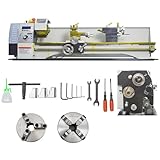
INTSUPERMAI 8×32 Gearless Lathe
- 8 x 32 inch capacity
- 1100W brushless motor
- electronic gearless leadscrew
- 3-jaw and 4-jaw chucks included

VEVOR 7×14 Metal Lathe
- 550W motor with metal gear train
- 50-2500 RPM digital display
- 4-way quick change tool post

VEVOR 8.3×29.5 Brushless Lathe
- 750W brushless motor
- HT200 cast iron
- 24 thread forms
- two speed gear ranges
The INTSUPERMAI leads on measured performance: one verified owner clocked spindle run-out at 0.0005 inch and accuracy within 0.003 inch over 20 inches. The VEVOR 7×14 wins on evidence, with 294 ratings behind it and a metal gear train at the entry end of the range. The VEVOR 8.3×29.5 covers the widest spread of thread forms, 24 in total, across metric and imperial.
Best Bench Top Metal Lathes for Hobbyists in 2026 at a Glance
| Product | Key Specs | Buy |
|---|---|---|
|
|
Check Latest Price |
|
|
Check Latest Price |
|
|
Check Latest Price |
 |
|
Check Latest Price |
 |
|
Check Latest Price |
 |
|
Check Latest Price |
 |
|
Check Latest Price |
 |
|
Check Latest Price |
Two machines in this group carry fewer than a dozen published ratings, so treat their star averages as provisional. Where owners have posted measured numbers, like the 0.0005 inch run-out on the INTSUPERMAI, we use them.
1. INTSUPERMAI 8×32 Gearless Benchtop Lathe
INTSUPERMAI 8″× 32″ Metal Lathe Precision Benchtop Metal Lathe Electronic Leadscrew Gearless Hobby DIY Metal Lathe 50-2500rpm Variable Speed with 4 Jaw/3 Jaw Chuck 110V
Swing: 8.27 in
Between centers: 31.5 in
1100W brushless
50-2500 RPM
The Good
- Gearless electronic leadscrew removes gear changes and gear noise
- 31.5 in of bed handles long hobby projects
- Both 3-jaw and 4-jaw chucks included as standard
- Verified owner measured 0.0005 in spindle run-out
- Dual V-ways and tapered roller bearing spindle support
The Bad
- Documentation is the weak point with no real service manual
- No quick-change tool post fits without modifying the cross-slide
- 4-jaw chuck measured roughly 0.005 in run-out
The INTSUPERMAI 8×32 is the machine I would put on a bench without hesitation. It weighs 205 pounds, runs a 1100W brushless motor, and gives you 31.5 inches between centers with 8.27 inches of swing over the bed. That is a genuinely different class of envelope from the 7x machines further down this list.
What separates it mechanically is the electronic gearless leadscrew with belt drive. You switch between imperial and metric from the control panel instead of swapping change gears, and there are no gear teeth to strip. Three start modes cover manual, automatic and delayed automatic, plus reciprocating turning and automatic carriage stop.
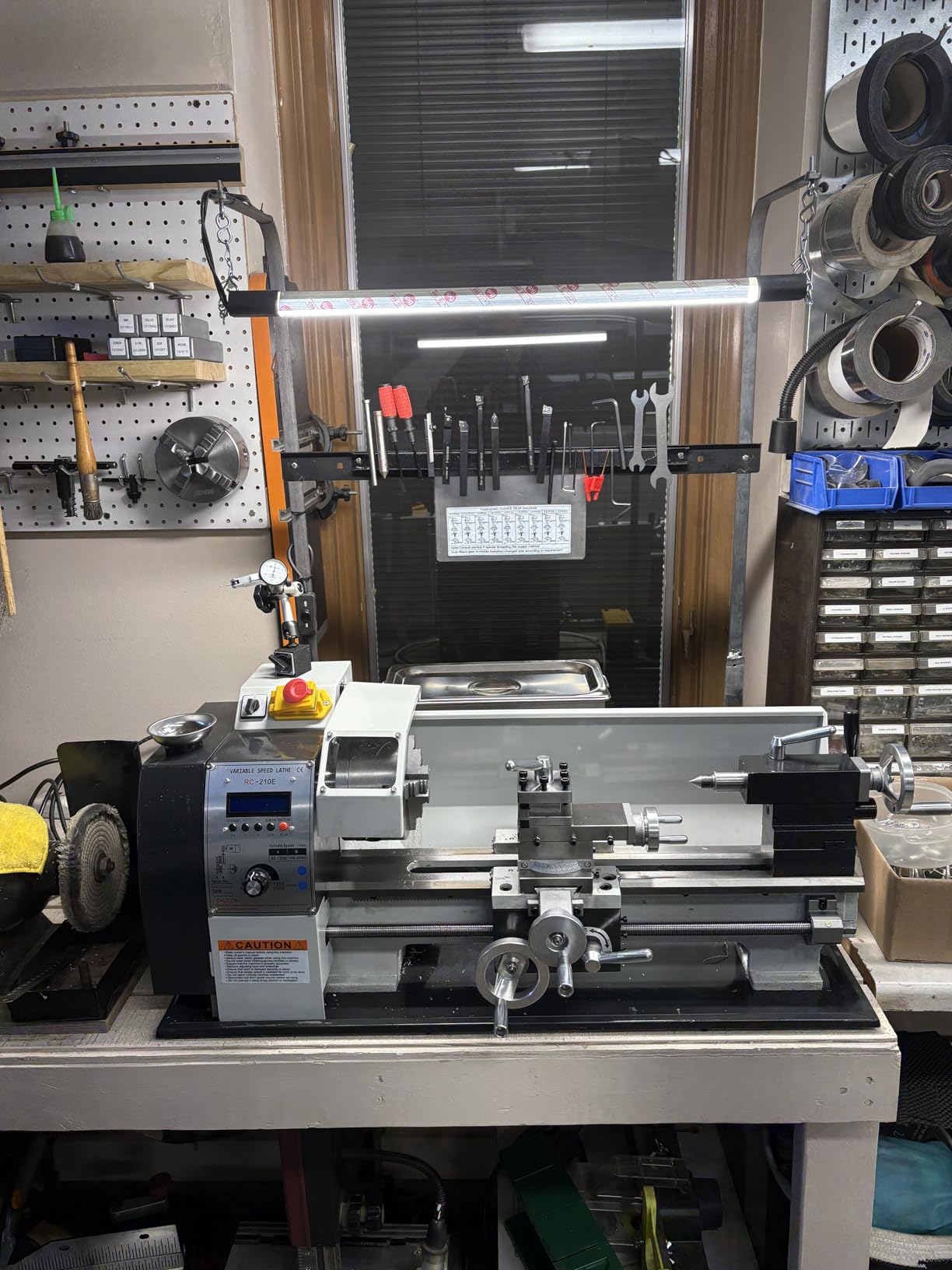
The owner measurements are the reason this is first. One verified buyer measured spindle run-out at 0.0005 inch and accuracy within 0.003 inch across 20 inches, with the 1100W brushless motor taking deep passes in steel. Chuck degrees display on the panel for indexing, and the telescopic handles carry graduated scales.
Both a 3-jaw and a 4-jaw chuck ship in the crate, which almost nothing else in this class does. The machine arrives well crated with a gold surface protectant that cleans off with solvent, and customer service has shipped replacement parts at no charge for owners who asked.
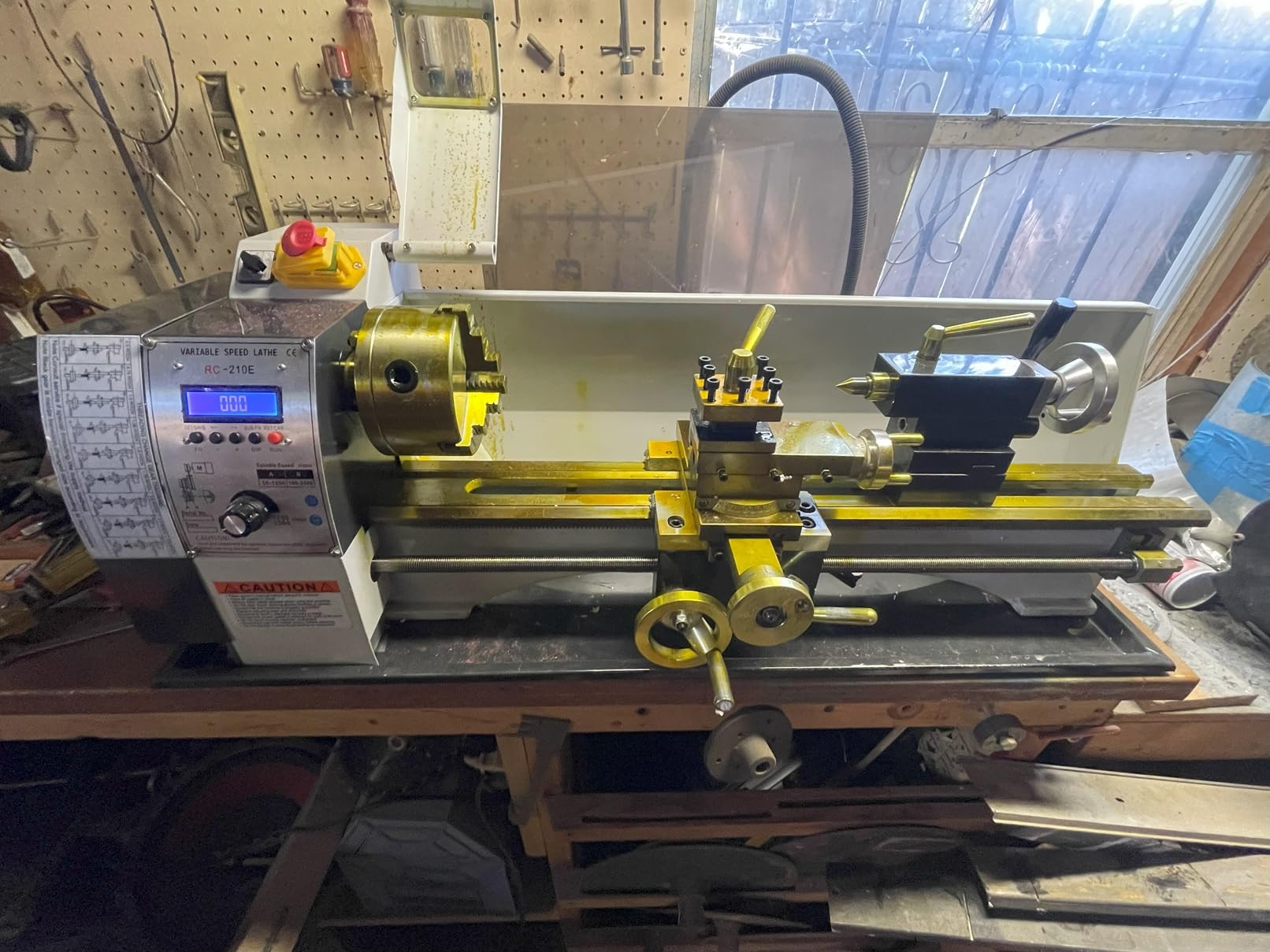
What you get on day one versus what you buy later
Day one you get both chucks, chuck jaws, spanners, hex keys, an oil can and pan, and screwdrivers. The cross-slide will need milling and tapping before a common quick-change tool post will fit, so budget a short machining session or budget for a lathe wrench setup instead.
Threading is handled from the panel across a 10 to 44 TPI range with no gear changes. Plan on spending an evening learning the control workflow before your first production thread.
Where the money was better spent elsewhere
Documentation is the weak point. There is no real operation, service or parts manual, and manual headings are untranslated, which is exactly the frustration hobby-machinist forum members describe when buying direct from an importer.
The 4-jaw chuck measured about 0.005 inch of run-out, noticeably worse than the 3-jaw, so use the 4-jaw for holding and the 3-jaw for finishing. The machine also needs truing up before precision work, which is normal but takes time.
2. VEVOR 7×14 Metal Lathe with Upgraded Digital Display
VEVOR 7″x14″ Metal Lathe, Upgraded Digital Display, 550W
Swing: 7.09 in
Between centers: 13.78 in
550W DC motor
50-2500 RPM
The Good
- Metal gear train rather than nylon for longer service life
- 4-way quick change tool post holds four turning tools at once
- Digital speed display across a 50-2500 RPM range
- Automatic power-off protection and LED work lamp included
- 294 published ratings give the widest owner data in the group
The Bad
- 7.09 in swing limits workpiece diameter
- 13.78 in center distance restricts longer work
- 550W DC motor gives less torque than 1100W machines
- Smaller support ecosystem than established US machinery brands
The VEVOR 7×14 is the only machine in this roundup with a large, mature review base, and that is worth as much as any spec line. 294 ratings let you see the failure pattern before you commit rather than after.
For a first metal lathe it covers the basics unusually well. The metal gear train is the detail that matters most at this level, since nylon gears are the usual complaint on cheaper machines and they strip quickly once you touch steel. The 4-way quick change tool post holds four standard turning tools at once with scale-adjusted blade holders.
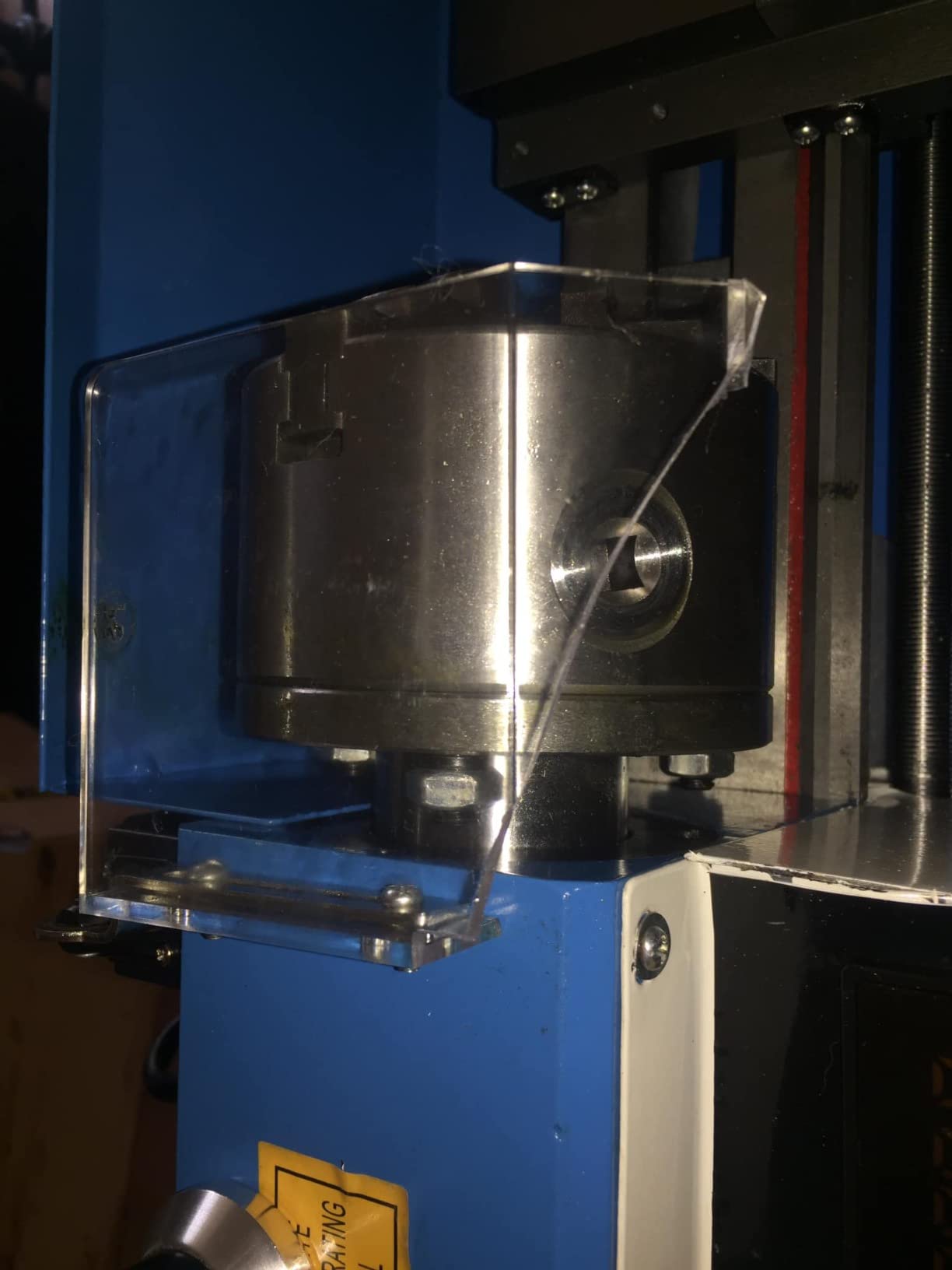
Speed runs from 50 to 2500 RPM on the upgraded digital display, and there is automatic power-off protection plus an auxiliary LED lamp. A 4-inch 3-jaw chuck comes standard, and the machine weighs 103 pounds, which is light enough to move to a bench without two people.
Owners consistently describe it as good value for small hobby-scale turning, threading and light facing. The cautions are about physical scale rather than reliability, which is the honest read: short, light parts are what this envelope is built for.
Where this machine fits against a bigger benchtop
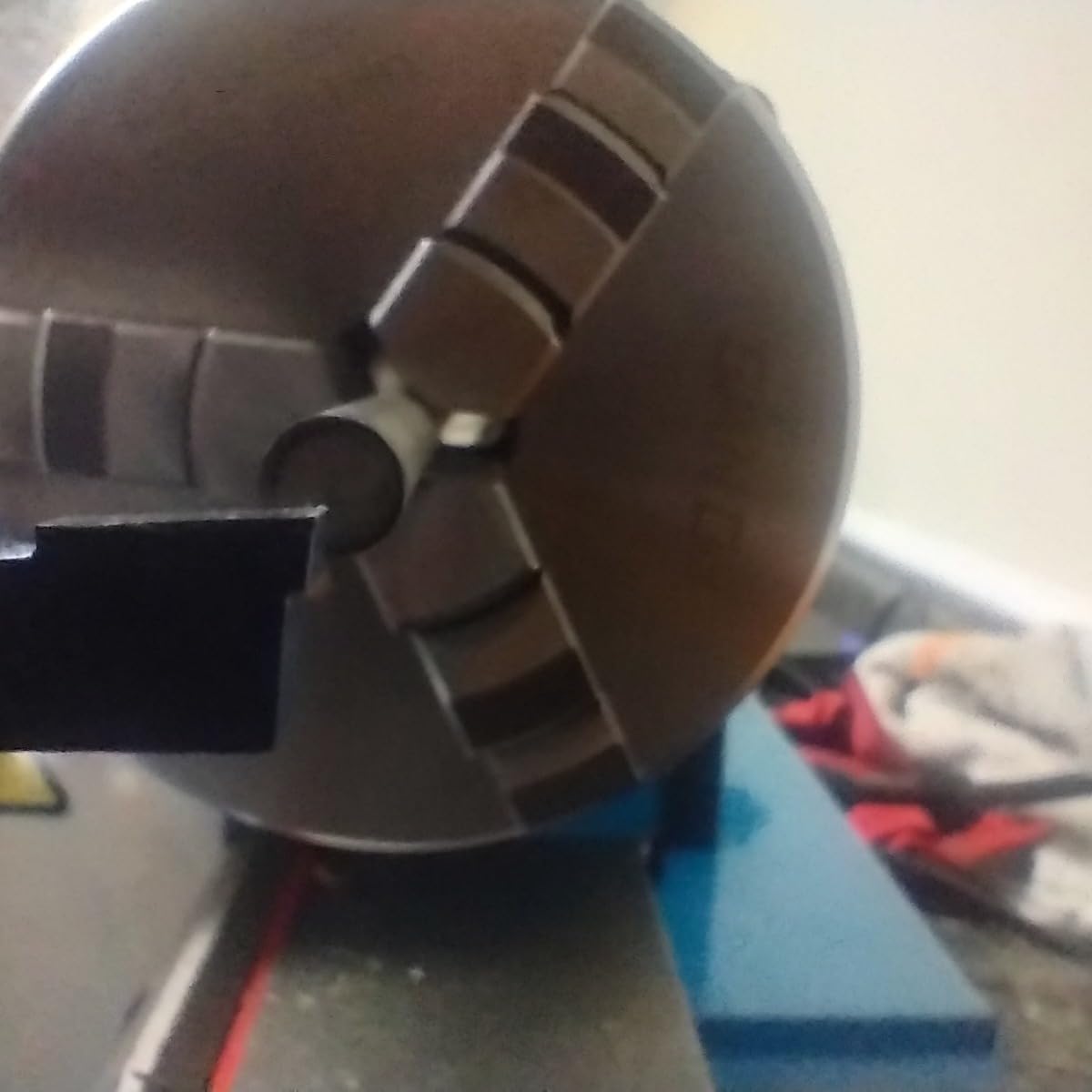
The 7.09 inch swing over bed and 13.78 inch center distance are the whole story. If your parts list includes anything past about 6 inches in diameter, or long shafts, you will outgrow this quickly and buy tooling twice.
Because it is DC powered at 550 watts, deep cuts in steel stall sooner than on the 1100W machines here. Stick to aluminum, brass and mild steel finishing work and it is a genuinely capable first machine.
What to check before you commit
Ask the seller how replacement parts are handled before you buy, because support ecosystem size is the main difference between this and a dealer-backed brand. Parts availability for imported brands is a known weak spot among hobby machinists.
Measure your bench first. At 103 pounds this is the only machine here you can relocate yourself, and that matters in a shared garage shop.
3. VEVOR 8.3×29.5 Brushless Benchtop Metal Lathe
VEVOR Metal Lathe, 8.3” x 29.5′ Benchtop Metal Lathe 0-2500 RPM Continuously Variable Speed 750W Brushless Motor Metal Gears with LCD Display Metal Lathe Machine
Swing: 8.3 in
Between centers: 29.5 in
750W brushless
50-2500 RPM
The Good
- Cuts 24 thread forms including 14 metric and 10 imperial sizes
- 750W brushless motor needs no brush replacement
- HT200 cast iron bed with a full metal gear train
- Two gear ranges give noticeably more torque from a small motor
- Forward and reverse spindle with pinned detents
The Bad
- Arrives packed in protective grease and needs a full teardown and gib adjustment
- Some machines arrive without advertised etched scales
- Half-nut dial can bite and damage the leadscrew
- Electronics failures are the most common complaint
- Light casting chatters on heavier steel cuts
Threading coverage is the reason to pick this one. It cuts 24 thread forms, 14 metric from 0.3 to 3mm and 10 imperial sizes from 10 to 44 TPI, and the half-nut engagement is driven through a proper gear train rather than an electronic substitute.
The two-speed continuously variable spindle gives four usable bands: 50 to 1250 RPM in low and 100 to 2500 RPM in high. Owners note that the low range delivers more torque from a 750W motor than you would expect, because the gear reduction is doing the work. The HT200 cast iron bed and metal gears are the right materials for the job.
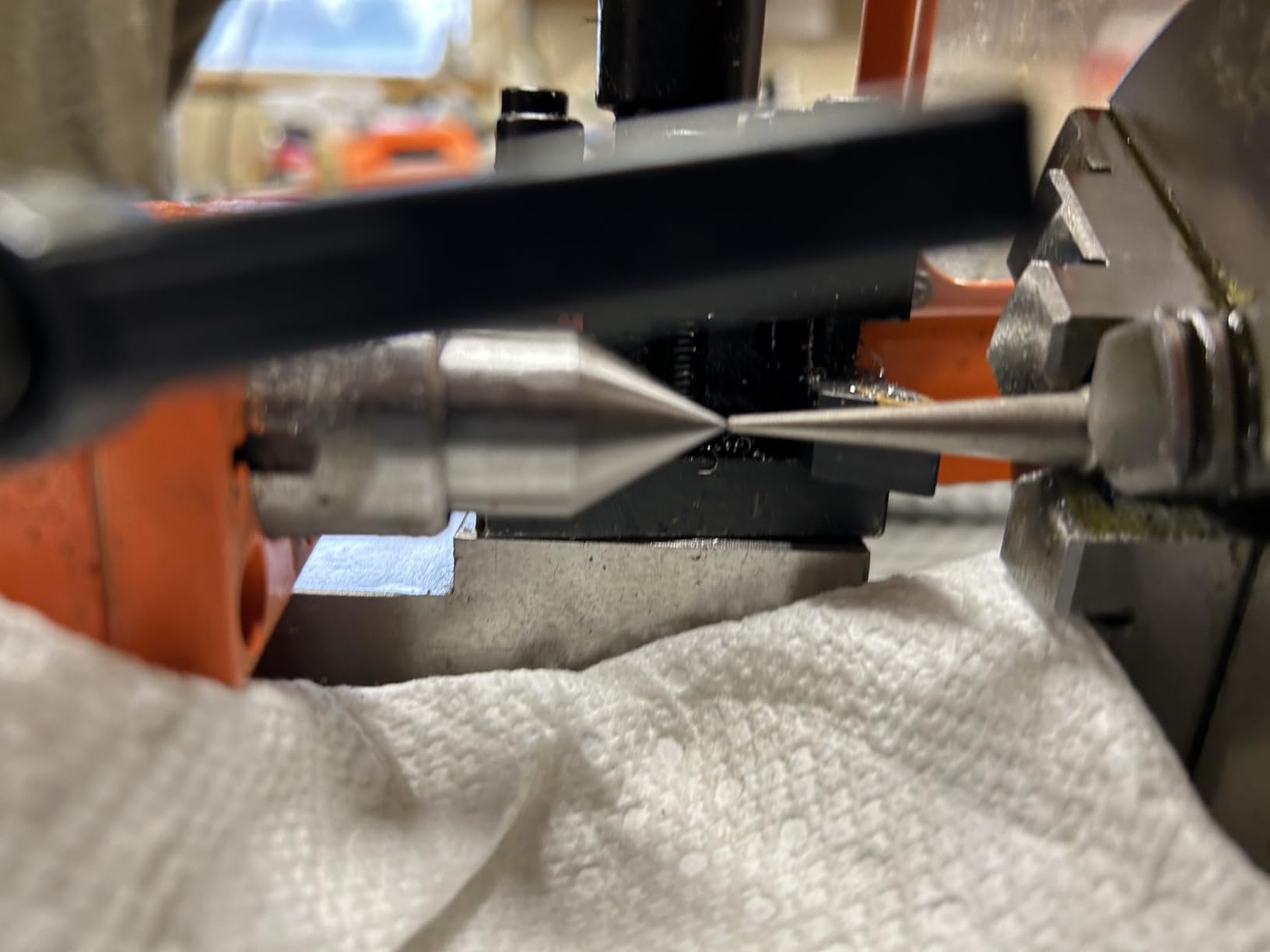
Owner reports split into two camps, and that split is useful. Machinists who treat it as a kit tool, cleaning it, lapping the dovetails and tuning the gibs, report repeatable accuracy to within 0.001 inch. Buyers who expected a ready-to-run precision machine are disappointed by the finish.
So plan a commissioning session. The machine arrives slathered in protective grease and needs a teardown, clean and gib adjustment before it runs accurately. That work is not hard, it is just not optional.
How to judge the finish on arrival
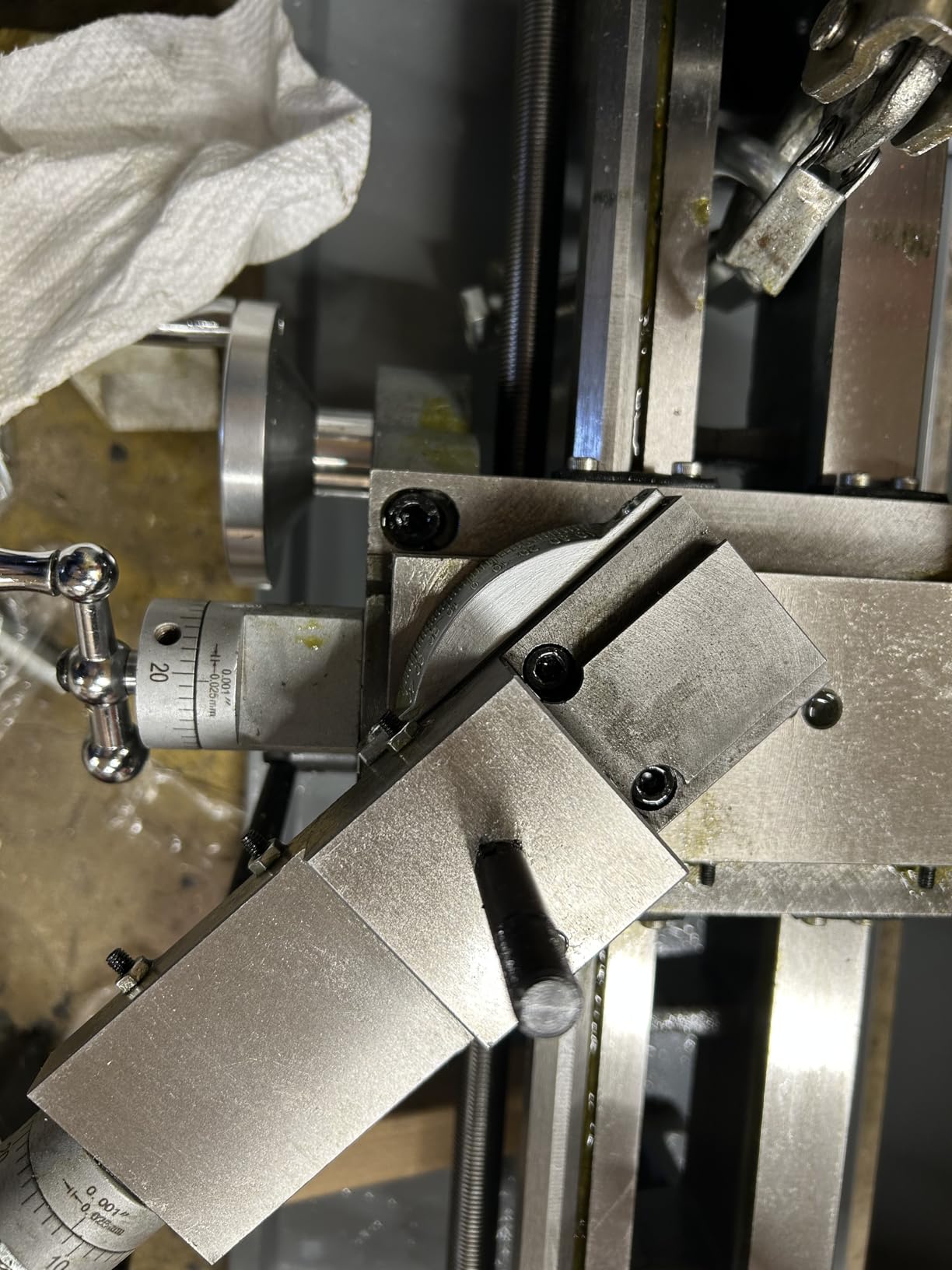
Check that the etched degree scale on the compound slide base is present, because some machines arrive without it. Verify the half-nut disengages cleanly before you start a cut, and inspect the leadscrew for scoring from the first few threads.
Run a dial test indicator on the spindle before you trust any dimension. If it reads under a thousandth, tune it and go. If not, you have found your first weekend project.
Where this machine costs you
At roughly 80 to 90 pounds of casting for the working sections, it chatters on heavier steel cuts where the 190 to 205 pound machines hold their ground. That is a real limit for anyone planning structural steel work.
Electronic control board failures are the single most common complaint, and boards are difficult to replace. If you cannot self-repair electronics, treat that as a service-life factor rather than a detail.
4. Shop Fox M1015 6×10 Mini Metal Lathe
Shop Fox 6 in. x 10 in. Mini Metal Lathe M1015
Swing: 6 in
Between centers: 10 in
Weight: 71 lb
Optional milling slide
The Good
- Established brand with a clear US parts and support channel
- 71 lb chassis fits a hobby bench and can be raised on blocks
- Documented turning of steel with HSS and carbide insert tooling
- Several owners add the Shop Fox steady rest and vertical milling slide successfully
The Bad
- Smallest envelope in the group at 6 x 10 in
- No compound cross-slide without the optional slide
- Chuck
- live center and cutting tools are bought separately
- Some machines needed gib and spindle finish adjustment
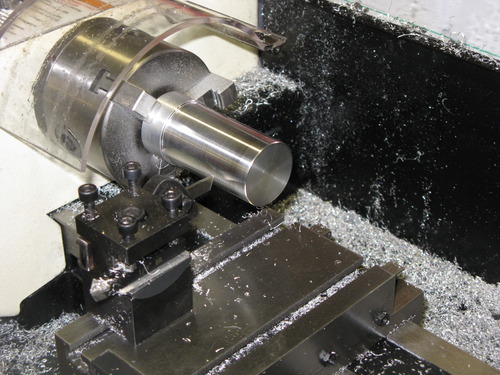
The Shop Fox M1015 is the choice when parts support matters more than capacity. It is a 6 inch by 10 inch machine weighing 71 pounds, and the brand behind it has a genuine US parts channel rather than a support email address.
That matters more than the low rating suggests. Owners with a replaced gib or a new spindle bearing can get the part. On an imported machine, the same failure can end the machine’s life. Forum regulars consistently rank dealer-backed parts availability above specification sheets.
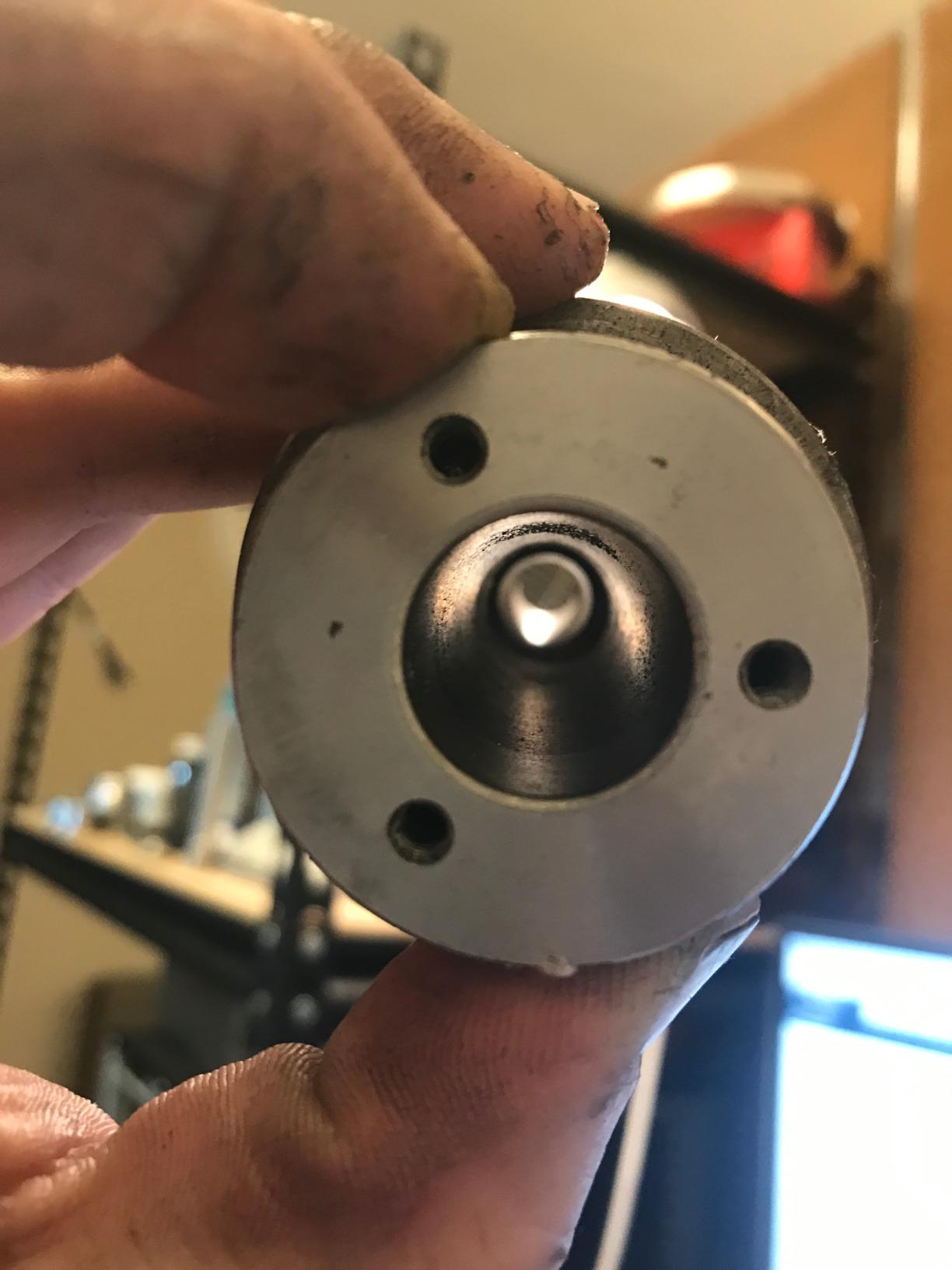
The turning capability is real once the machine is set up. Several owners post satisfied HSS and carbide test cuts in steel, and one with prior machine-shop experience calls it accurate and a step above other micro lathes. Adding the Shop Fox vertical milling slide turns it into a combined lathe and mill, which is where the compact size starts to make sense.
It is also the machine you can raise on blocks to a comfortable standing height and move with one hand. For a dedicated hobby bench in a small shop, that is a genuine advantage over the 200-pound casters.
What a 6×10 envelope can and cannot do
Ten inches between centers suits small components: pen bodies, fittings, bushings, model engine parts and small repair work. Owners run out of tailstock and cross-slide travel quickly once they start on anything longer.
There is no compound cross-slide as standard, so taper turning waits until you buy the optional slide. Plan that into the budget if tapers matter to your projects.
How to handle the quality variance
This is the most polarizing machine in the group, and the split is about build consistency rather than capability. Critical reviews document bowed spindles and out-of-tolerance gibs, which points to unit variation rather than a design flaw.
Inspect the machine in person if you can, or buy from a seller who accepts returns. Budget for the chuck, live center and cutting tools separately, since they are not included. The plastic gearbox casing and drive belt are also reported as weak points.
5. INTBUYING RC-210E 8×32 Gearless Benchtop Lathe
INTBUYING 8″x32″ Benchtop Metal Lathe Machine 1100W Brushless Gearless Motor 50-2500RPM, Horizontal Design for Precision Metal/Wood Working Imperial/Metric Conversion, RC-210E 110V
Swing: 8 in
Between centers: 31.5 in
1100W brushless
Gearless leadscrew
The Good
- Electronic gearless leadscrew auto-switches between metric and inch
- Automatic X-axis feed adjustable from 0.01 to 0.4 mm per revolution
- 1100W brushless motor with belt drive runs quietly
- Includes an English manual
- 31.5 in of bed length suits longer projects
The Bad
- Only three ratings published and 44% of them are three-star
- Automatic feed range is documented as thread pitch rather than a true feed rate
- Long-term durability is unproven with a very small review base
The INTBUYING RC-210E matches the INTSUPERMAI on paper: 8×32 capacity, a 1100W brushless motor, an electronic gearless leadscrew with belt drive, and 50 to 2500 RPM across two gear ranges. At 190 pounds it is a substantial machine.
Its distinguishing feature is documentation. An English manual ships in the box, which almost nothing else in this class offers, and the control panel handles imperial and metric conversion automatically rather than through gear changes.
The automatic X-axis feed is adjustable from 0.01 to 0.4 mm per revolution, so you can set a feed rate and repeat it instead of cranking by hand. Three start methods are supported, including delayed automatic start and reciprocating turning, and the panel shows spindle speed in real time with forward and reverse.
Real-time speed readout, forward and reverse, and an emergency stop are all present. The specification set is genuinely strong for the money.
How this compares to the better-documented rival
Against the INTSUPERMAI, the hardware is similar and the evidence is not. This machine has three published ratings, with 44% of them at three stars, while the INTSUPERMAI has thirteen averaging 4.9 stars. If you care about measured accuracy, the rival is the safer bet.
Choose this one instead if the English manual matters to you, or if belt-drive quietness is a priority in a shared workshop.
What you need to confirm before ordering
Ask the seller how the automatic feed range is expressed in a true in-per-rev figure. The listing documents it as a thread pitch range, which is a different measurement and leaves the actual feed behavior unclear.
With a review base this small, plan to inspect the machine thoroughly on arrival and verify spindle run-out with a dial test indicator before you cut anything you care about.
6. CREWORKS YS-2275A 9×30 Benchtop Metal Lathe
CREWORKS Mini Metal Lathe 9″ x 30″ Benchtop Metal Lathe with 3 Jaw Chuck and 3000rpm Max. Spindle Speed, 1100W Metalworking Machine with LCD Display, Metal Lathe Machine for Threading Turning Drilling
Swing: 8.7 in
Between centers: 27 in
1100W motor
0-3000 RPM
The Good
- 3000 RPM top speed is the highest in this group
- 1100W motor with 198 lb of cast iron handles steel better than 7x machines
- Arrived rust-free and needed minimal commissioning
- 5 inch high-precision 3-jaw chuck
- Large spindle through-hole for bigger workpieces
The Bad
- Stock tool post is small and needs milling and tapping for a quick-change post
- Tailstock did not line up on arrival and headstock bearings cannot be lubricated
- Cross-slide axes have no mechanical lock
- Replacement parts and support are hard to obtain
The CREWORKS YS-2275A has the largest swing in this roundup at 8.7 inches over the bed, with 27 inches between centers, and it spins to 3000 RPM. That top speed is the highest here and it earns its place for finishing small diameters in hard material.
Underneath, it is a 1100W motor on 198 pounds of cast iron. That combination is why owners report far less chatter on steel than they got from a small 7x machine, and why the machine arrived rust-free and relatively clean with minimal commissioning.
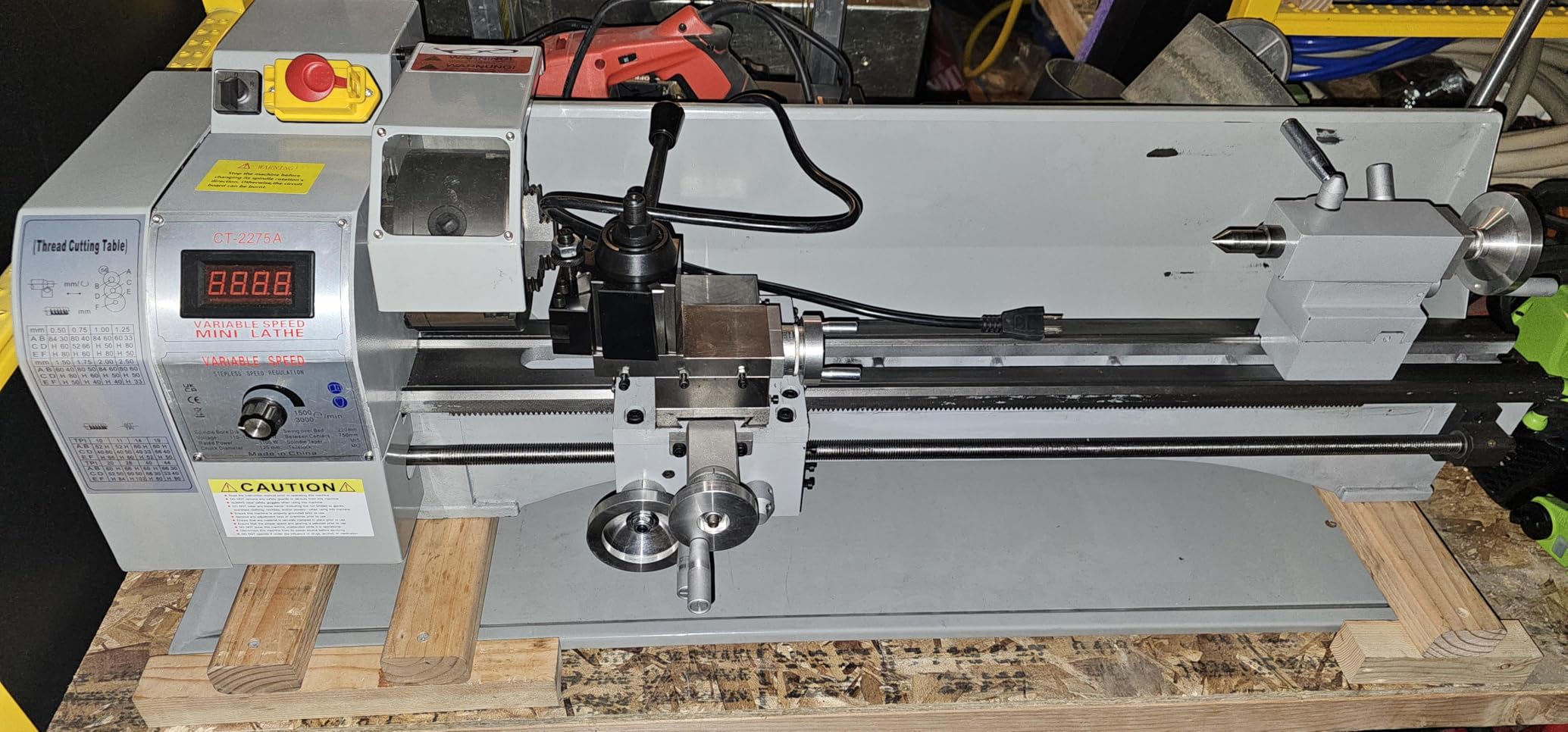
The 5 inch high-precision 3-jaw chuck and a large through-hole in the head and tailstocks mean you can hold bigger work than the envelope alone suggests. A transparent chuck guard, LCD speed display and 4-way tool post cover the basics.
Customer service did replace a tailstock that arrived damaged, which is a good sign even where parts sourcing is weak.
Which projects suit a 9×30 envelope
Longer shafts, larger diameter stock and heavier turning in steel sit comfortably here. With 3000 RPM available you can also finish small parts cleanly rather than pushing a heavier machine down to low revs.
Confirm the bench or stand can carry 198 pounds and that you have the depth for a 43.7 inch footprint plus handwheel clearance.
What to fix on day one
The stock tool post is small and needs milling and tapping before it accepts a common quick-change post, so plan that job or plan to work with the manual post. The tailstock did not line up out of the box on some machines, so set that before you cut a taper.
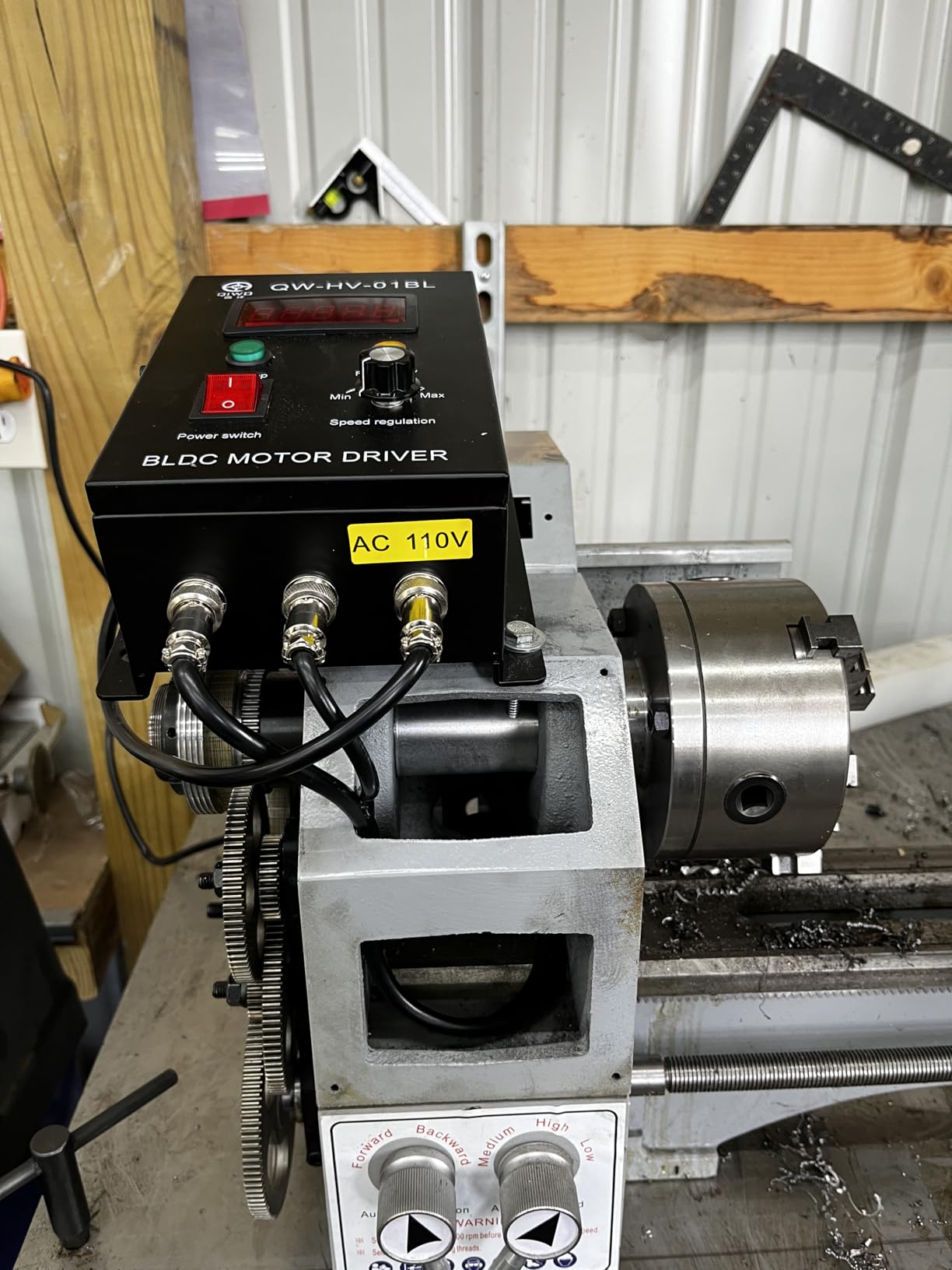
Two design details deserve attention. The headstock bearings cannot be lubricated, and the cross-slide axes have no mechanical lock, so gib set screws are used to stop drift. Replacement parts and support are reported as hard to obtain, so confirm service coverage before you buy.
7. INTBUYING WM210V 8×24 Brushless Benchtop Lathe
INTBUYING 8″x24″ Benchtop Metal Lathe 1100W Brushless Motor 50-2500RPM Precision Mini Lathe Machine for Metal/Woodworking Industrial & Hobby Use with Metric Thread WM210V 110V
Swing: 8.3 in
Between centers: 23.6 in
1100W brushless
Metric 0.5-3mm
The Good
- 1100W brushless motor with 161 lb of mass handles steel well
- 8.3 in swing and 23.6 in center distance handle larger stock than 7x machines
- Metric threading 0.5-3mm with four change gears supplied
- Full accessory kit in the box
- Digital panel
- forward and reverse
- emergency stop
The Bad
- Only three ratings published
- so the five-star average is not meaningful
- Metric thread configuration needs conversion work for imperial-only hobbyists
- Mechanical gear changes are required to change threads
The WM210V is the metric-first machine in this group. It threads from 0.5 to 3mm using four supplied change gears, and for hobbyists already working in metric that removes the single most common setup complaint on imported lathes.
The mechanicals are strong for the money. A 1100W brushless motor with 161 pounds of mass gives real torque in steel, and 8.3 inches of swing over the bed with 23.6 inches between centers handles larger stock than any 7x machine here.
Two speed ranges cover 50 to 1250 RPM and 1250 to 2500 RPM with a digital panel readout, plus forward and reverse and an emergency stop. The spindle bore is 1.50 inches with a 4.92 inch reverse three-jaw chuck, and the spindle taper is MT5 with an MT2 tailstock taper.
The box is unusually well equipped: three chuck jaws, a fuse, four change gears, a chuck spanner, five hex keys, two open spanners, an oil can and two screwdrivers.
Who should choose metric threading
If your projects are model engineering, metric fasteners or work sourced from overseas suppliers, the 0.5 to 3mm range covers nearly everything you will cut. The four supplied gears mean you are not hunting for a part to get started.
If you mostly cut imperial threads, this machine needs conversion work. Mechanical gear changes are required to switch threads, unlike the electronic machines further up this list, so budget time for that.
How to read a five-star average from three ratings
All three published ratings are five star, which tells you very little. Treat the rating as provisional and rely on the specification sheet, which is the strongest part of this listing.
There is limited long-term field data on the electronics and gearbox, so keep the machine on a proper circuit and check spindle run-out early with a dial test indicator.
8. WEN ML712 7×12 Variable Speed Benchtop Lathe
WEN 7-by 12-Inch Benchtop Metal Lathe, Variable Speed, Two Direction (ML712)
Swing: 7 in
Between centers: 12 in
4 amp motor
100-2500 RPM
The Good
- Reversible spindle with two variable speed bands for fine control
- Threading dial indicator covers 18 thread sizes from 12 to 52 TPI
- Adjustable automatic feed lets you repeat a feed rate without cranking
- 114 lb weight gives more stability than the smallest 7x machines
- Two-year warranty and specified MT3 spindle and MT2 tailstock tapers
The Bad
- Smallest swing in the group at 7 in
- Large share of 3-star ratings points to fit and finish inconsistency
- Only 11 ratings published so long-term reliability is undocumented
The WEN ML712 punches above its weight on paper. A reversible spindle with two full variable speed ranges from 100 to 2500 RPM, adjustable automatic feed and an 18-size threading dial indicator are features you normally find on larger machines.
At 114 pounds it is noticeably more stable than the smallest 7x machines, and it turns aluminum, steel and brass up to 12 inches long or 7 inches in diameter. The 3-jaw chuck, 5/16 inch tool post, MT3 spindle taper and MT2 tailstock taper are all clearly specified.
The automatic feed is the feature you will use most. Set a feed rate and repeat it rather than hand cranking every pass, which is a real productivity gain on small batch work and comes with a two-year warranty behind it.
With only 11 published ratings the reliability picture is thin, but the distribution is telling: 40% five star against 29% three star. The hardware appears capable while final assembly quality varies from unit to unit.
Where this sits against the other 7x machines
The VEVOR 7×14 has more capacity and far more owner data at 294 ratings. The ML712 counters with better speed control, a broader threading dial and automatic feed, plus a warranty most of the group does not offer.
Pick this one when repeatability on small parts matters more than raw capacity. Skip it if you plan to cut anything past 7 inches in diameter.
What to inspect on arrival
The large share of 3-star ratings points to fit and finish rather than function. Check that the tailstock lines up with the spindle, confirm the cross-slide and compound move freely, and verify the threading dial corresponds to the change gears supplied.
With so few published ratings, treat this as a well-equipped entry machine and inspect it before you commit to a project. If your shop already has a small mill, a CNC router covers a different kind of cutting work entirely.
How to Choose a Bench Top Metal Lathe
Size and capacity come first
Two numbers decide whether a lathe fits your work: swing over bed, which caps the diameter you can turn, and distance between centers, which caps length between centers. A 7×12 machine turns roughly 6 inch diameter parts up to 10 inches long. A 8×32 machine turns 8 inch diameter parts up to 31 inches long.
Measure your three largest existing projects before you shop. Add two inches of swing headroom for the tool post and chuck clearance, and check that your bench depth handles the footprint plus handwheel travel.
Mass and rigidity predict chatter
Chatter is a stiffness problem before it is a tool problem. The machines here range from 71 pounds for the Shop Fox M1015 to 205 pounds for the INTSUPERMAI, and the difference shows up the moment you take a facing pass in steel.
Roughly 160 pounds or more is the practical floor for comfortable steel work. Below that, keep cuts light and shallow, and expect to change feed rates constantly.
Threading is where mini lathes stop working
Three approaches exist here. Traditional geared machines use change gears, which means manual gear selection and a half-nut engagement on the leadscrew. Metric-focused machines such as the WM210V supply four gears for 0.5 to 3mm work. Electronic gearless machines switch between imperial and metric from the control panel with no gear changes at all.
Owners upgrading from 7x machines almost always cite threading as the reason. Nylon change gears strip under load, and a stripped gear train is where cheap lathes usually end. Metal gear trains and electronic leadscrews both solve that permanently.
Speed control changes how you work
Electronic variable speed gives smooth control across the whole range with no belt changes. Geared heads give distinct ratios with more torque at low speed. Two-speed machines such as the VEVOR 8.3×29.5 and INTBUYING machines give four usable bands, which is a practical middle ground.
For facing and finishing work, a digital readout of actual spindle speed is worth more than it sounds, because it removes the guesswork from surfacing speed calculations.
Electrical requirements catch first-time buyers
Every machine here runs on 110 volts, which is convenient, but the current draw still decides which circuit you can use. The WEN ML712 is listed at 4 amps. The 1100W machines in this group pull considerably more, and a 15 amp household circuit shared with a welder or a compressor is a poor choice for a lathe.
Put the machine on its own circuit. This is the single most common electrical surprise reported by first-time benchtop owners, and it costs far less to fix before you buy than after.
Setup and break-in are part of the purchase
Expect real commissioning work on any imported machine. Owners describe a teardown, a full degrease, cleaning packing grease out of the ways, gib adjustment and spindle run-out checks before accurate work begins. Budget a weekend, not an evening.
On the upside, several machines arrive needing much less work. The CREWORKS arrived rust-free and relatively clean, and the INTSUPERMAI ships crated with a surface protectant that cleans off with solvent.
Bench top versus mini versus floor lathe
Mini lathes at 7×10 to 7×14 suit small parts, light material and a small budget. Bench top machines at 8×24 and up add the mass, spindle bore and threading control needed for steel and larger stock. Floor lathes add length, power and price, and are a different commitment for a home shop.
If your work is mostly small components in aluminum and brass, a 7x machine is honest equipment. If you plan to thread in steel or turn stock past 6 inches, the jump to 8x is the right call. Our midi wood lathe guide covers the other side of the hobby for anyone splitting time between materials.
Frequently Asked Questions
What is the best hobby lathe?
For most hobbyists, the INTSUPERMAI 8×32 is the strongest overall bench top machine: 205 pounds of cast iron, a 1100W brushless motor, 31.5 inches between centers and an electronic gearless leadscrew that switches imperial and metric from the panel. Verified owners measured 0.0005 inch spindle run-out. Lower budgets point to the VEVOR 7×14, which has the widest owner record in the group.
What is the best lathe machine for home use?
Match the machine to your three largest projects. Swing over bed caps part diameter and distance between centers caps part length, so measure before you shop. Around 160 pounds of cast iron is the practical floor for comfortable steel work. Below that, keep cuts light. A dedicated 110 volt circuit matters as much as the machine itself.
What is a good metal lathe for beginners?
The VEVOR 7×14 is the most common starting point, and its 294 published ratings give beginners the widest field data to learn from. Its metal gear train survives steel work that destroys nylon-gear machines, and at 103 pounds you can move it yourself. The WEN ML712 is the alternative if automatic feed and a two-year warranty matter more than capacity.
Is the Harbor Freight lathe any good?
Harbor Freight lathes are widely described by hobby machinists as fine starting bench top machines, and the class is popular for a reason: low cost, metal gear trains and adequate capacity for light hobby work. They are not in this roundup, so we cannot quote measured results for a specific model. Check the gear material before you buy, since nylon gears are the deciding factor.
Does Grizzly make good lathes?
Grizzly is one of the names machinists most often recommend alongside Harbor Freight, LittleMachineShop and Precision Matthews, largely for dealer-backed parts and warranty support. No Grizzly model is in this roundup, so we have no measured data to report. The pattern worth borrowing is simple: parts availability is what separates a long-lived machine from a paperweight.
Which bench top metal lathe is best for threading?
The VEVOR 8.3×29.5 covers the widest range with 24 thread forms, 14 metric from 0.3 to 3mm and 10 imperial sizes from 10 to 44 TPI, using a metal gear train and half-nut engagement. The INTSUPERMAI 8×32 is easier to operate, switching imperial and metric from the control panel with no gear changes.
What size lathe do I need for threading?
Size is less about the thread and more about rigidity. Threads cut in steel put real side load on the carriage and the half nut, and light machines deflect. Aim for 160 pounds or more of cast iron, a metal gear train or an electronic leadscrew, and a distance between centers at least twice your longest threaded item.
Conclusion: The Best Bench Top Metal Lathes for Hobbyists in 2026
The INTSUPERMAI 8×32 takes our top spot among the best bench top metal lathes for hobbyists, with the best measured accuracy and the least fussy threading workflow in the group. Buy the VEVOR 7×14 if you want the widest owner record and a manageable first machine, and choose the VEVOR 8.3×29.5 when thread variety matters more than finish quality on arrival.
For steel work with heavier welding elsewhere in the shop, our multi process welder guide covers the other half of a typical hobby metalworking setup.